Mattress Cleaning for a Fresher, Healthier Sleep Space
Keeping your sleep environment clean is one of the simplest ways to improve comfort, hygiene, and rest quality. Mattress cleaning is often overlooked, yet your mattress can collect dust, sweat, dead skin cells, allergens, and everyday stains over time. If you want a bedroom that feels fresher and a mattress that supports better sleep, learning the basics of proper mattress cleaning matters more than most people realize.
Whether you are dealing with routine maintenance, stubborn odors, or visible spills, mattress cleaning can help restore freshness and extend the life of your bed. A well-maintained mattress not only feels better but may also contribute to a cleaner indoor environment. For households with children, pets, or allergy concerns, regular mattress cleaning becomes even more valuable.
In this article, we’ll explore practical methods, common mistakes, cleaning frequency, and tips for keeping your mattress in great condition. You’ll also find useful advice on stain removal, odor control, and when professional mattress cleaning may be the better choice.
Why Mattress Cleaning Matters

A mattress is used every night, yet it is easy to forget that it absorbs moisture, traps dust, and holds onto particles from the air. Over time, this buildup can affect both comfort and cleanliness. Mattress cleaning helps reduce the accumulation of dust mites, allergens, and odors that can make a bedroom feel stale.
Many people are surprised by how much debris can settle into a mattress even with sheets and protectors in place. Sweat, body oils, skin flakes, and accidental spills can all contribute to bacteria growth and unpleasant smells. Routine mattress cleaning supports a more sanitary sleep surface and may also help reduce irritation for sensitive sleepers.
There is also a practical benefit: a cleaner mattress often lasts longer. Dirt and moisture can break down materials, causing premature wear and lingering smells. With proper mattress cleaning, you can protect your investment and enjoy better comfort over time.
Understanding What Gets Trapped in a Mattress
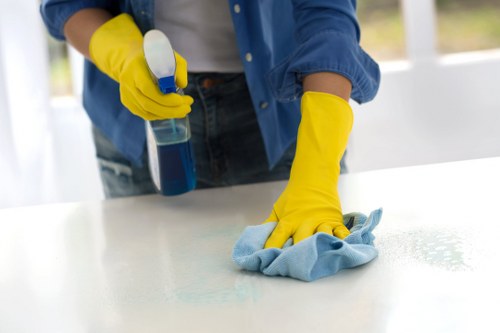
To clean a mattress effectively, it helps to understand what is hiding inside it. Most mattresses collect a combination of fine dust, dead skin cells, pet dander, pollen, sweat, and microscopic debris. For many households, this buildup happens gradually, so it is not always obvious until an odor or stain appears.
Moisture is another major concern. Spills, humidity, and perspiration can soak into the layers of the mattress, creating conditions that encourage mildew or lingering smells. Mattress cleaning should therefore focus on both surface messes and deeper freshness, not just wiping away visible stains.
Allergen buildup is especially important for sleepers with asthma or seasonal sensitivities. Even if your mattress looks clean on the outside, it may still harbor irritants that affect your comfort at night. That is why regular mattress cleaning, along with protective bedding, can make a meaningful difference.
Common Mattress Contaminants
- Dust mites and their waste particles
- Skin cells and body oils
- Sweat and moisture buildup
- Food crumbs and beverage spills
- Pet hair and dander
- Dust, pollen, and airborne debris
How Often Should You Clean a Mattress?

The ideal cleaning schedule depends on how the mattress is used, who sleeps on it, and whether there are allergy or odor concerns. As a general rule, basic mattress cleaning should be performed every few months, with deeper attention given after spills, accidents, or seasonal changes.
Vacuuming, airing out, and spot treatment can be part of a regular routine. A deeper refresh may be needed if you notice smells, stains, or a decline in overall freshness. Mattress cleaning does not have to be complicated, but consistency matters.
For busy homes, a simple seasonal rhythm is easy to follow. Many people schedule mattress cleaning during bedding changes, spring cleaning, or when rotating the mattress. This helps keep the process manageable and prevents buildup from becoming a bigger problem.
Recommended Mattress Cleaning Frequency
- Weekly: Air out the bed and wash bedding
- Monthly: Vacuum the mattress surface
- Every 3–6 months: Perform deeper mattress cleaning
- Immediately: Treat stains, spills, or odors as soon as they happen
Step-by-Step Mattress Cleaning at Home

Home mattress cleaning is manageable when you follow a clear process. Start by removing all bedding, including sheets, pillowcases, mattress protectors, and covers. Wash these items separately according to their care labels. This gives you full access to the mattress surface and prevents dirt from spreading back onto the bed.
Next, vacuum the entire mattress using an upholstery attachment. Pay attention to seams, edges, and tufted areas where dust and debris often accumulate. Mattress cleaning begins with removing loose particles before any liquid cleaning is applied, because moisture can drive debris deeper into the material.
After vacuuming, inspect the mattress for stains or odors. This is the best time to use spot-cleaning methods. Always test any cleaner on a small hidden area first to make sure it does not damage the fabric or internal materials.
Basic Mattress Cleaning Steps
- Strip the bed completely.
- Wash all removable bedding.
- Vacuum the mattress thoroughly.
- Treat stains with an appropriate cleaner.
- Let the mattress dry fully.
- Use a fresh mattress protector before remaking the bed.
Drying Is Essential
One of the most important parts of mattress cleaning is proper drying. A mattress that stays damp can develop mildew or odors. If you use any liquid during mattress cleaning, allow ample airflow by opening windows, turning on fans, or positioning the mattress in a ventilated area. Never remake the bed until the mattress is fully dry.
Removing Common Mattress Stains
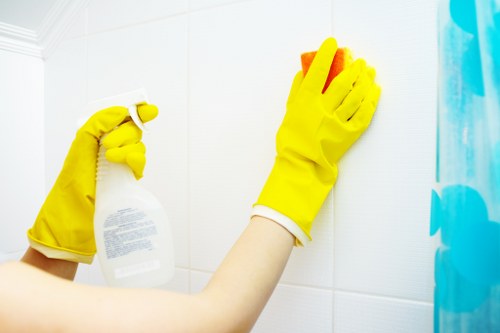
Stains are among the most common reasons people seek mattress cleaning. The good news is that many stains can be handled successfully at home if treated quickly and correctly. The key is to match the method to the stain type and avoid saturating the mattress.
Mattress cleaning for spills works best when you blot rather than rub. Rubbing can spread the stain and push it deeper into the material. Use clean cloths or paper towels to absorb as much liquid as possible before applying a cleaning solution.
Different stains require different approaches. For example, a food spill may need mild soap and water, while a sweat stain may respond better to a gentle deodorizing treatment. Always keep the mattress as dry as possible throughout the process.
Common Stain Solutions
- Food and drink stains: Blot, then clean with mild soap and water
- Urine stains: Use an enzyme-based cleaner designed for organic matter
- Sweat stains: Lightly treat with baking soda or a mild fabric-safe solution
- Blood stains: Use cold water only; avoid hot water, which can set the stain
- Grease or oil: Apply a small amount of absorbent powder before vacuuming
Tip for Tough Stains
If a stain persists after one treatment, repeat the process rather than using a harsher cleaner immediately. Patience is a key part of effective mattress cleaning. Heavy scrubbing or over-wetting can cause more harm than the stain itself.
How to Deodorize a Mattress Naturally
Even when a mattress looks clean, odors can linger. Sweat, humidity, pets, and accidental spills can all create smells that are difficult to ignore. Fortunately, mattress cleaning can include simple deodorizing methods that are safe and effective for many homes.
Baking soda is one of the most popular options because it helps absorb moisture and neutralize odors. Sprinkle a light layer over the mattress surface, let it sit for several hours, and then vacuum it away thoroughly. Mattress cleaning with baking soda works well as part of routine maintenance, especially if you want a fresher feel without strong fragrances.
You can also improve freshness by airing out the mattress. Natural ventilation helps reduce trapped moisture and can make the bed feel cleaner overall. If the weather allows, opening windows or placing the mattress in indirect sunlight may help reduce odors and improve dryness.
Simple Mattress Deodorizing Options
- Baking soda for odor absorption
- Fresh air and ventilation
- Vacuuming to remove dust and residue
- Mattress protectors to prevent future smells
- Regular bedding washing to reduce odor transfer
Note: Avoid using too much fragrance or heavy spray products. They may mask odors temporarily but do not solve the source of the problem. Long-term mattress cleaning focuses on removal, not just cover-up.
Mattress Cleaning for Allergy Relief
For allergy sufferers, mattress cleaning is more than a cosmetic task. Dust mites, pollen, pet dander, and other allergens can settle in the mattress and affect nighttime comfort. A cleaner mattress can support a healthier sleeping environment, especially when paired with frequent bedding changes.
Vacuuming is one of the simplest ways to reduce allergen buildup. Using a vacuum with strong suction and a clean filter helps lift dust from the mattress surface and seams. Mattress cleaning routines for allergy management should also include washing sheets and pillowcases in hot water when appropriate.
Protective bedding products can help reduce future buildup. Hypoallergenic mattress covers and encasements create a barrier between the sleeper and the mattress interior. These products are especially useful in homes where allergies are a year-round concern.
Allergy-Friendly Mattress Care Tips
- Wash bedding weekly
- Vacuum the mattress regularly
- Use a hypoallergenic mattress protector
- Keep bedroom humidity under control
- Avoid eating in bed to limit crumbs and debris
When Professional Mattress Cleaning Is Worth It
DIY methods are useful for routine upkeep, but some situations call for professional mattress cleaning. Deep-set stains, persistent odors, heavy allergen buildup, and delicate materials may benefit from expert treatment. Professional cleaners often use specialized equipment that can penetrate more deeply without over-wetting the mattress.
If the mattress has been exposed to major spills, pet accidents, or prolonged moisture, a professional service may help prevent long-term damage. Mattress cleaning specialists can also address issues that are difficult to manage with household products alone. In some cases, they may be able to restore freshness and improve the overall appearance of the mattress more effectively.
Professional cleaning may also be a smart option for families who want a low-effort solution or for anyone with physical limitations that make home cleaning difficult. While the cost may be higher than a DIY approach, the results can be worth it when the mattress needs more than a surface refresh.
Signs You May Need Professional Help
- Stains that do not respond to home treatment
- Strong or recurring odors
- Signs of mold or mildew
- Allergy issues that persist despite regular cleaning
- Water damage or deep moisture exposure
What to Avoid During Mattress Cleaning
It is easy to make mistakes when trying to clean a mattress, especially if you want quick results. One of the biggest errors is using too much water. Mattresses are not designed to be soaked, and excess moisture can lead to mildew, odor, and material damage.
Another common mistake is using harsh chemicals without checking whether they are safe for the mattress type. Some cleaners can discolor fabrics, weaken foam, or leave behind strong residues. Mattress cleaning should be gentle, controlled, and compatible with the mattress materials.
Scrubbing aggressively is also a problem. Instead of removing the stain cleanly, it may spread the mess and damage the surface fibers. Slow, careful blotting is usually a better choice. If you are ever unsure, use a mild cleaner and test it first.
Mattress Cleaning Mistakes to Avoid
- Soaking the mattress with too much liquid
- Using abrasive brushes or harsh scrubbing
- Applying strong chemicals without testing first
- Ignoring drying time
- Replacing bedding before the mattress is fully dry
How Mattress Protectors Support Cleaner Sleep
One of the easiest ways to reduce cleaning demands is to use a mattress protector. A good protector acts as a barrier against spills, sweat, dust, and allergens, making mattress cleaning much simpler over time. It is often the first line of defense for maintaining a fresher bed.
Protectors can be especially helpful in households with kids, pets, or frequent guests. They are also useful in rental properties, vacation homes, and dorm rooms where mattresses may receive heavier use. Mattress cleaning becomes easier when the protector handles much of the daily wear.
Look for a protector that fits snugly, feels comfortable, and can be washed regularly. If you combine a protector with frequent bedding changes and routine vacuuming, you will likely notice less buildup and fewer stains over time.
Best Practices for Protectors
- Wash the protector according to the care label
- Check for tears or worn areas
- Replace damaged protectors promptly
- Use a waterproof option if spills are common
Seasonal Mattress Cleaning and Maintenance
Seasonal changes are a natural reminder to refresh the bedroom. Spring, summer, fall, and winter each bring different conditions that can affect the mattress. Humidity, pollen, open windows, and heavy blankets all influence how much dust and moisture accumulate.
A seasonal mattress cleaning routine helps keep everything under control without feeling overwhelming. Many homeowners like to align mattress cleaning with bedding rotation, deep cleaning, or household organization tasks. This makes it easier to stay consistent and avoid buildup.
Simple maintenance tasks such as vacuuming, airing out the mattress, and laundering bedding can make a large difference. If you make mattress cleaning part of your seasonal routine, you may notice fewer odors, less dust, and a cleaner sleeping environment overall.
Seasonal Mattress Maintenance Ideas
- Spring: Air out the mattress and tackle pollen buildup
- Summer: Watch for sweat and humidity-related odors
- Fall: Vacuum dust and refresh bedding layers
- Winter: Reduce moisture and keep the sleep area well ventilated
Benefits of Regular Mattress Cleaning
When mattress cleaning becomes part of your routine, the benefits add up. The bed can feel fresher, the room can smell cleaner, and the mattress may last longer. A well-cared-for mattress also creates a more comfortable sleep setting, which many people appreciate at the end of a long day.
There are health-related advantages as well. Reducing dust, allergens, and moisture can help improve nighttime comfort for sensitive sleepers. Mattress cleaning is a simple home habit that can support better hygiene without requiring a major time investment.
In many homes, the biggest reward is peace of mind. Knowing that your sleep surface is cleaner can make it easier to relax at night. That sense of freshness often makes the entire bedroom feel more inviting.
Key Benefits at a Glance
- Fresher smell
- Reduced allergens
- Better sleep comfort
- Longer mattress lifespan
- Improved bedroom hygiene
Final Thoughts on Mattress Cleaning
Mattress cleaning does not need to be complicated, but it does need to be consistent. A mix of vacuuming, spot treatment, deodorizing, and proper drying can make a noticeable difference in how your bed looks, smells, and feels. When you stay ahead of stains and buildup, you protect both your mattress and your sleep quality.
For homeowners and renters alike, mattress cleaning is a practical habit that supports a cleaner living space. Small efforts made regularly can prevent larger problems later. If your mattress needs attention now, start with the basics and build a routine that fits your schedule.
Take action today to create a fresher sleep environment. Contact us today to learn more about mattress care options, or book your service now if you want a deeper clean handled by professionals. Your mattress deserves the same care as the rest of your home, and a cleaner bed can help you sleep better every night.